Moroccan Drinks
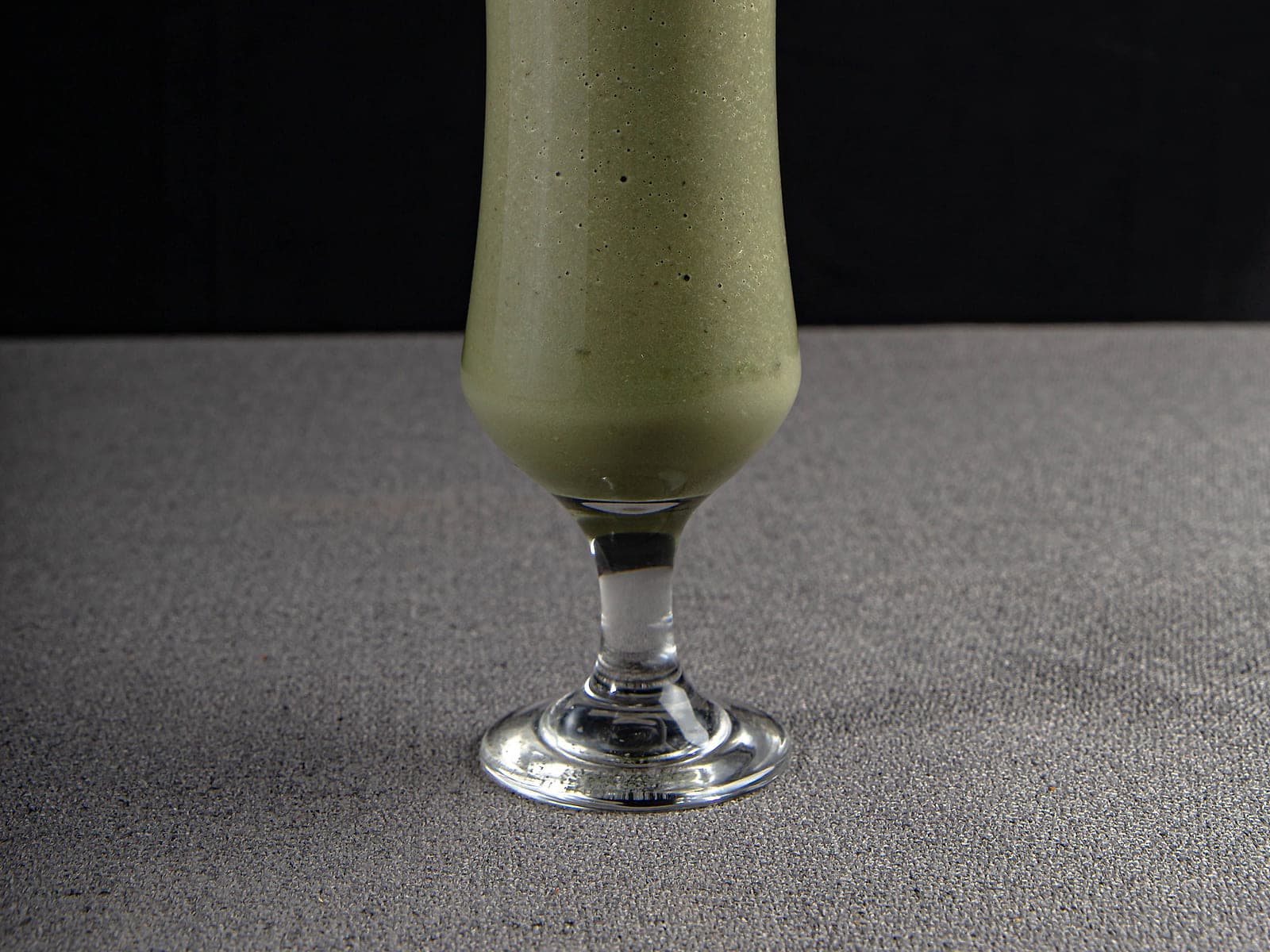
Moroccan Avocado Smoothie — Jus d'Avocat
The thick, cold avocado and milk drink sold at every Moroccan juice bar, sweetened with dates and dusted with cinnamon.
5 minEasy
Morocco's meat-free repertoire is enormous — vegetables, pulses, bread and spice.
9 recipes

The thick, cold avocado and milk drink sold at every Moroccan juice bar, sweetened with dates and dusted with cinnamon.
Root vegetables, chickpeas and apricots layered in a tagine with ginger, turmeric and preserved lemon, cooked until the sauce thickens around them.
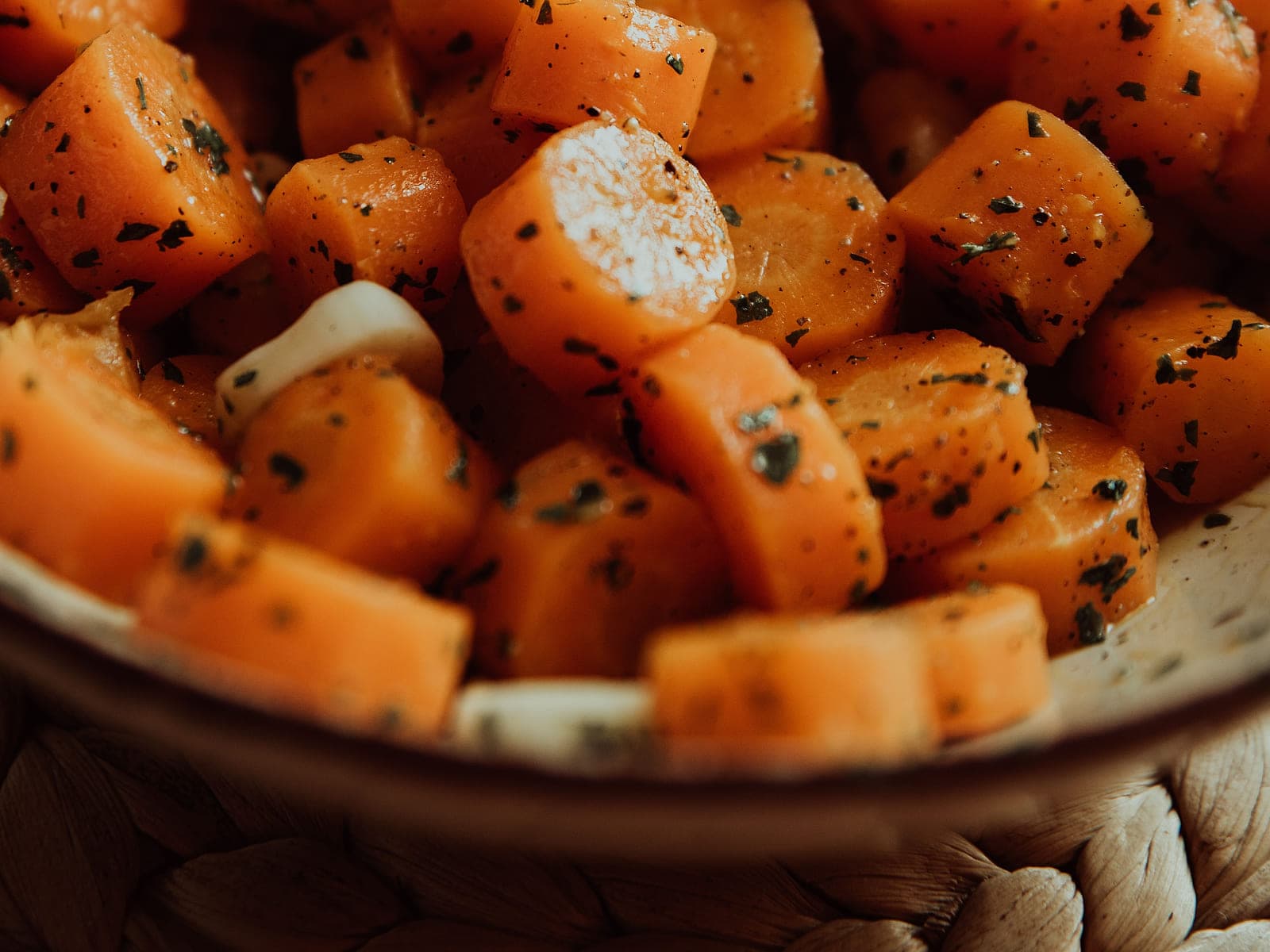
Carrots barely softened, then dressed warm with garlic, cumin, paprika and lemon so they take up the flavour as they cool.
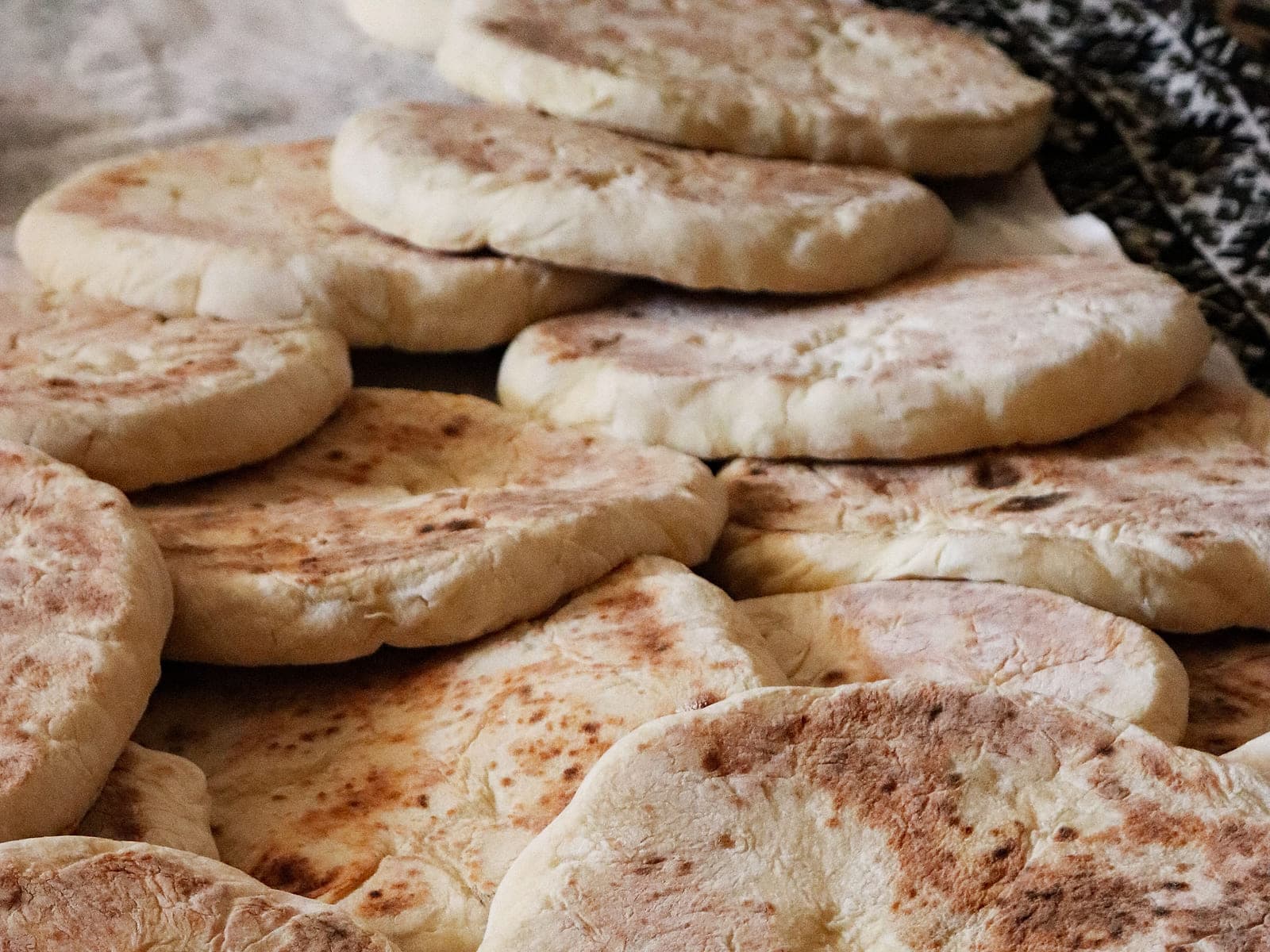
Round semolina and flour loaves baked flat and soft, the bread used as a fork at every Moroccan meal.

Gunpowder green tea steeped with a large bunch of spearmint and sugar, then poured from a height into small glasses.

Light semolina pancakes cooked on one side only, covered in tiny holes that soak up melted butter and honey.

Squares of semolina dough stretched paper thin, folded with butter and pan-fried into flaky layers for breakfast with honey and tea.
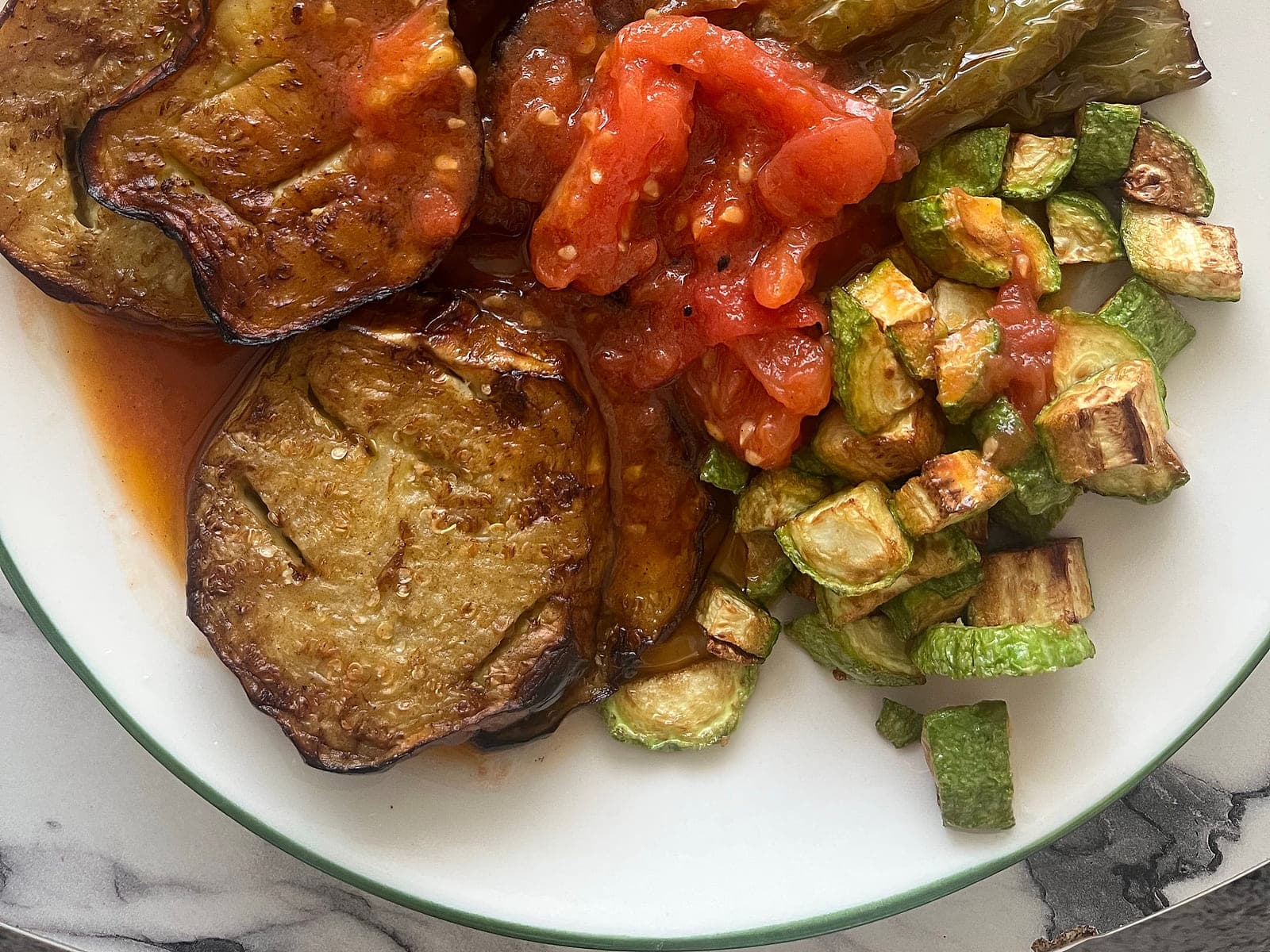
Charred green peppers and tomato simmered with garlic and paprika into a soft, sweet cooked salad eaten with bread.
Aubergine and tomato cooked down with garlic, cumin and paprika until jammy and smoky, served warm or cold with bread.
Much of Moroccan home cooking is vegetarian by default. Cooked salads, pulse soups, vegetable tagines and bread with olive oil make up a large share of what is actually eaten on an ordinary day.
The flavour comes from the same places as the meat dishes: cumin, paprika, garlic, coriander, preserved lemon and good olive oil.
Everything in this category is meat-free as written, with dairy and egg noted where they appear.


Slow-cooked shoulder, kefta, prunes and almonds — the richest corner of Moroccan cooking.
3 recipes