Guides
Moroccan Preserved Lemons: How to Make Them and How to Use Them
Two ingredients, one jar and a month of waiting — how preserved lemons are made, which part you actually cook with, and what to do when you have none.
The Moroccan Cooks Kitchen
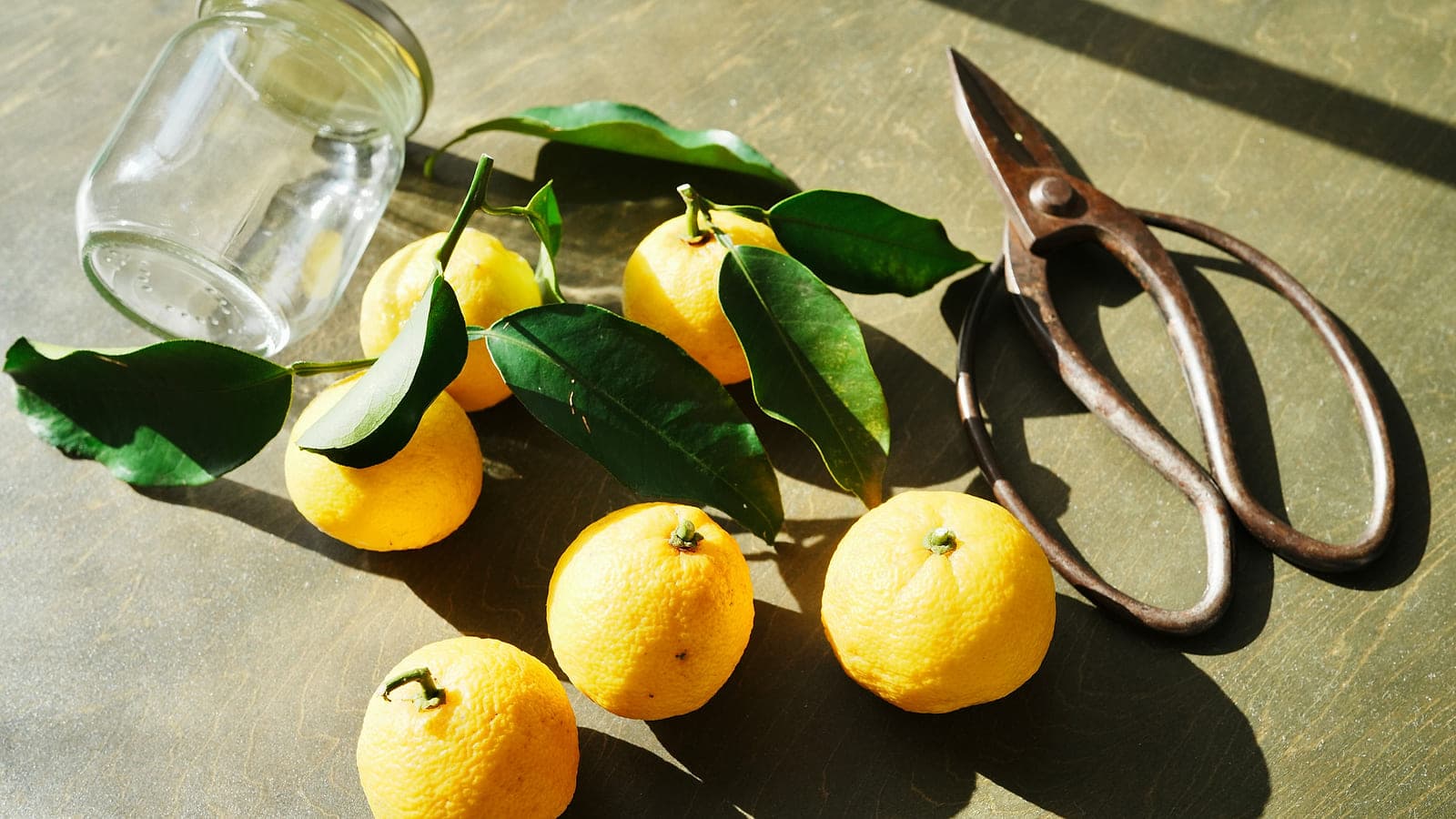
Preserved lemon is the ingredient that makes a Moroccan dish taste Moroccan. Not lemon juice, not zest — whole lemons packed in salt for a month, until the rind softens and the sharpness turns into something rounder and almost floral. A chicken tagine without it is a decent chicken stew. With it, it is djaj mqalli.
What is actually in the jar
Lemons and salt. That is the whole recipe. The salt draws water out of the fruit, that water becomes brine, and the brine preserves everything in it while the rind slowly breaks down. Nothing is cooked, nothing is added, and no vinegar is involved.
Some Moroccan households add a bay leaf, a cinnamon stick or a few coriander seeds. These are regional habits rather than requirements, and a first jar is better made plain so you learn what the lemon alone tastes like.
Which lemons
- Thin-skinned and small. Doqq and boussera are the Moroccan varieties; Meyer lemons are the closest easy substitute. Thick-skinned supermarket lemons work but take longer to soften.
- Unwaxed, because you are eating the peel. If you can only find waxed, scrub them hard in warm water first.
- Ripe and heavy for their size. A dry lemon makes little brine, and brine is what does the preserving.
- Plain sea salt or coarse kosher salt. Table salt with anti-caking agents clouds the jar.
The method
- Sterilise a jar — washed in hot soapy water, rinsed, then dried in a low oven. Let it cool completely.
- Wash the lemons and trim the hard nub at the stem end.
- Stand each lemon upright and cut down through it as if quartering, but stop about a centimetre from the base so the quarters stay joined.
- Open it out like a flower and pack the inside generously with salt — about a tablespoon per lemon. Close it again.
- Put a layer of salt in the bottom of the jar, then press the lemons in hard, one by one, squashing them down so the juice runs. Add more salt between the layers.
- Press until the lemons are submerged in their own juice. If the top one is not covered after a day, top up with the juice of another lemon — never with water.
- Seal, leave at room temperature out of direct sun, and turn the jar upside down every day or two for the first week to move the salt around.
- After three to four weeks the rind will be soft and translucent. Move the jar to the fridge; it will keep for a year.
How to use them
Take out a lemon, pull off a quarter and scrape the pulp away with a spoon. Rinse the rind, pat it dry and slice or chop it. What you add to a dish is that rind, and less of it than you think — one or two quarters is enough for a tagine feeding four.
Add it late. Preserved lemon simmered for an hour loses its perfume and leaves only salt; stirred in for the last ten minutes, it stays bright. The exception is a classic chicken tagine, where whole quarters go in partway through so they soften into the sauce, and extra rind is scattered on at the end.
Beyond tagines, chopped rind lifts a carrot salad, a plate of olives, roast vegetables, a lentil soup, or anything with fish. The brine itself is useful too — a spoonful in a salad dressing does more than lemon juice would.
If you have none and cannot wait
There is no real substitute, and it is worth being honest about that rather than pretending otherwise. The usual stand-in is the zest of a fresh lemon plus a squeeze of juice and a pinch of salt, added at the end. It brings acidity and citrus oil, which is most of the way there for a vegetable dish, and it misses the fermented, rounded quality entirely.
A faster cheat: quarter a lemon, cover it in salt, microwave for thirty seconds and leave it for a day. It softens the rind and knocks the raw edge off. It is not preserved lemon, but it is better than zest.
Frequently asked questions
Do you eat the flesh of a preserved lemon?
How long do preserved lemons take?
Do I need to rinse them before use?
How do I know if a jar has gone bad?
Get Moroccan recipes in your inbox
New recipes, cooking tips and delicious ideas — one email a week.
Recipes from this article
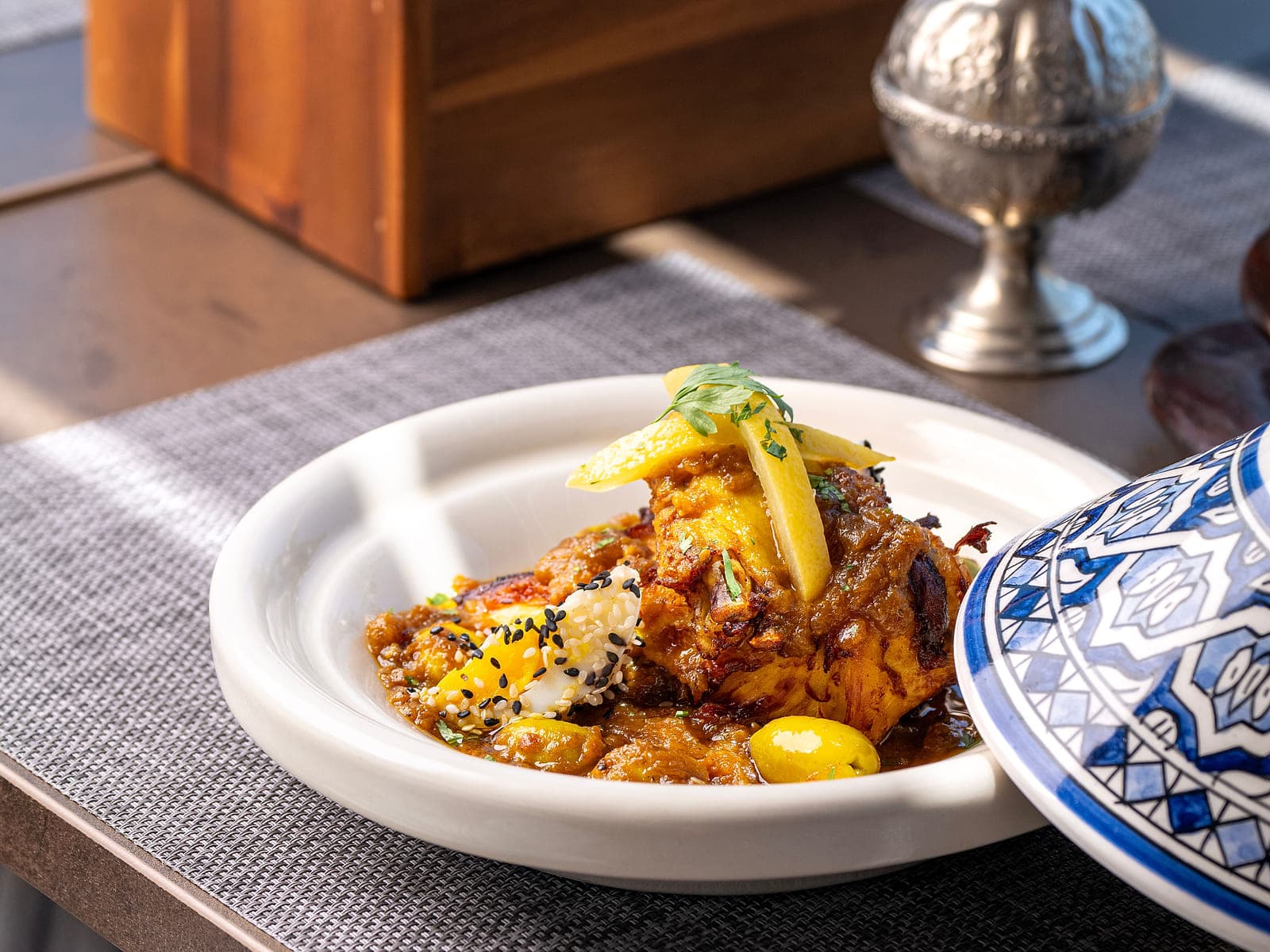
Moroccan Chicken Tagine with Preserved Lemon and Olives
Chicken slow-cooked with saffron, ginger, preserved lemon and green olives until the sauce turns golden and thick enough to scoop with bread.

Moroccan Vegetable Tagine with Chickpeas
Root vegetables, chickpeas and apricots layered in a tagine with ginger, turmeric and preserved lemon, cooked until the sauce thickens around them.
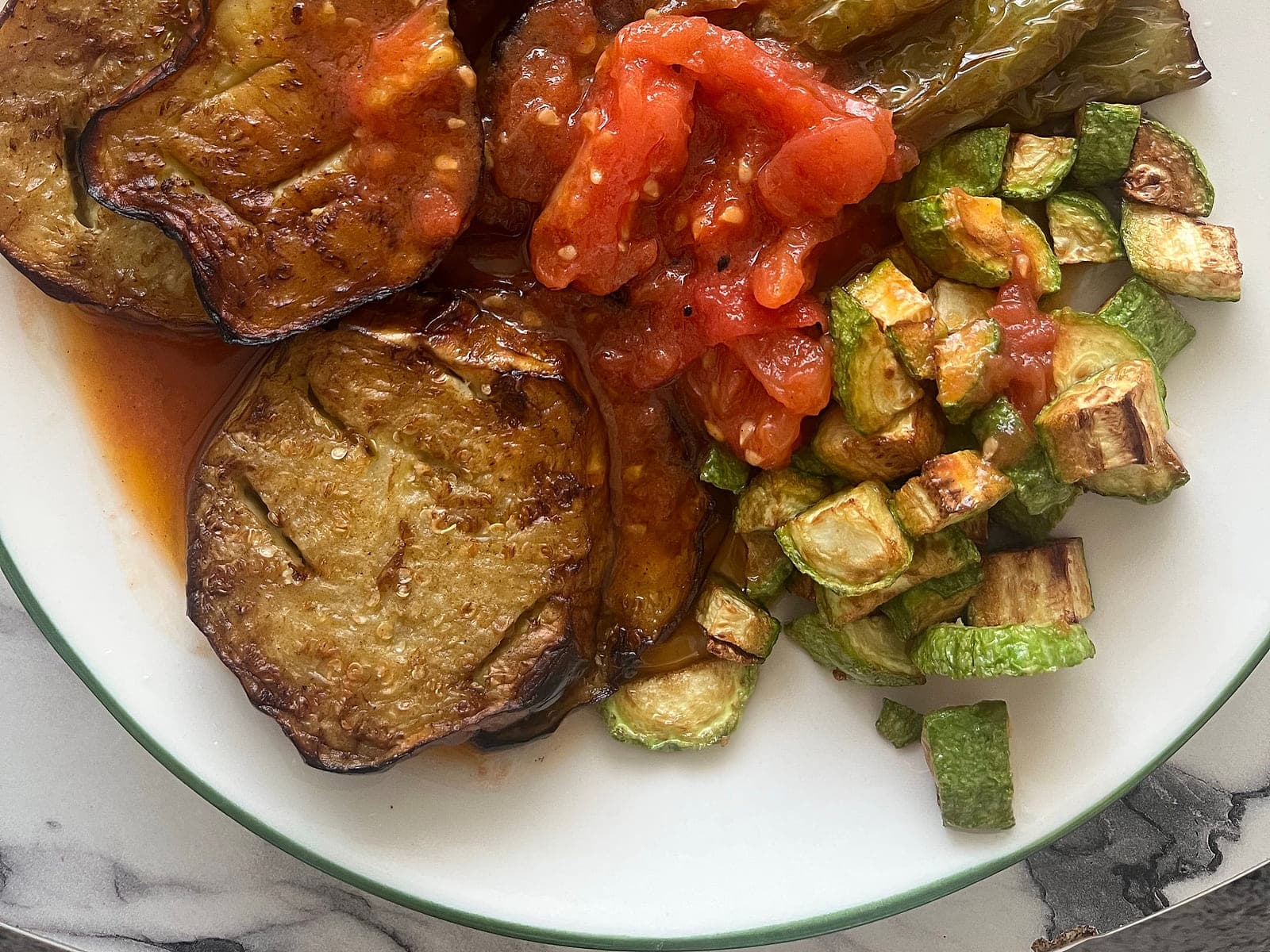
Taktouka — Moroccan Roasted Pepper and Tomato Salad
Charred green peppers and tomato simmered with garlic and paprika into a soft, sweet cooked salad eaten with bread.
Keep reading
Ingredients
Moroccan Spices: A Beginner's Guide
The ten spices that cover almost all Moroccan cooking, how to buy and store them, and what ras el hanout actually is.

Guides
The Different Types of Moroccan Tagines
Mqalli, mhammer, mrouzia and the rest — the classic tagine styles, what separates them, and how to choose and use a clay tagine pot.